- Fully Licenced, Bonded, & Insured
- Expert Technicians & Staff
- FREE Consultation
Hot air furnaces are the most popular ways most Americans heat their homes.
Therefore, hot air furnaces deliver heated forced air into rooms. Many types of such boilers are powered by fuel oil, natural gas, or propane. In as much as technology has advanced, and hot-air furnaces have evolved, the basic concepts still ring true. For a majority of stoves, they house a large blower or fan inside. The furnace sucks in cold air from the house via the connected cold air return vent.
The air runs through the furnace, heats up and releases either through the top or the bottom into the supply trunk. The supply trunk ferries the air into the connected, smaller pipes that go to various registers in the home. The further you move from the boiler, the smaller the supply pipes get, and the harder it is to maintain air pressure.
How Heating Works
To produce warm air the furnace needs to burn fuel. A heating exchange is present in the furnace to ensure that carbon monoxide doesn’t pass through the supply trunk into the rooms. The heat exchange is crafted from metal in which the furnace exhaust and heat travels through.
The heat and exhaust flowing through make the heat exchange extremely hot. The furnace pushes the air from home into the heat exchange.
The latter heats up without picking any carbon monoxide. The exhaust is disposed of from the furnace via a chimney or PVC pipe.
Hot Air Furnace Controls
Hot air furnace controls include the thermostat and a variety of sensors that attach to a control board. The control board keeps track of numerous factors that ensure the furnace runs safely.
A flame sensor is one of the controls that ensure the fuel going in the furnace burns heating it. Every time the burners light up, the flame sensor alerts the stove to allow it to release the heat. When the furnace detects that they are not lit, it shuts off automatically.
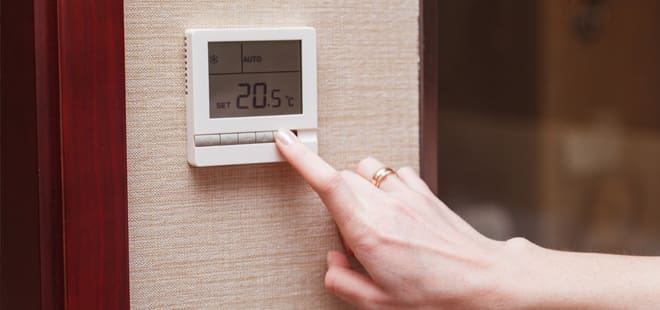
The thermostat control has a design with a digital or mercury temperature sensor. When temperatures are lower than the readings on the thermostat, the circuit completes where the two thermostat wires join.
The circuit sends a message to the furnace prompting it to turn on. If all sensors are signal everything is well within the system, your property will start heating up.
Hot Air Furnace Problems
Luckily not a lot that goes wrong with hot air systems. In most instances, the system becomes noisier than usual, or the airflow gets blocked.
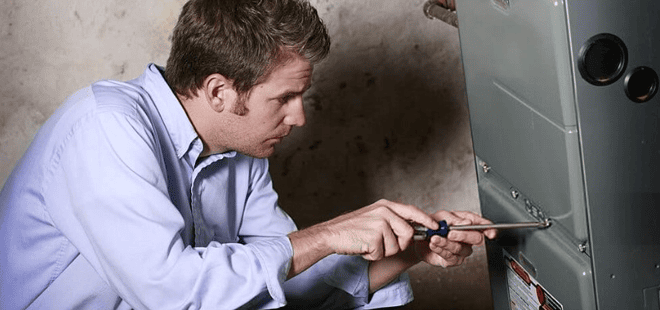
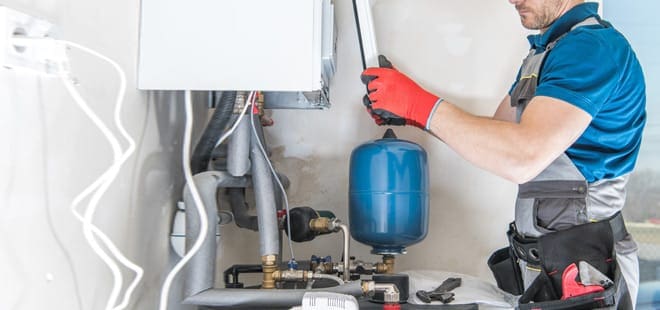
If you notice that your forced-air furnace isn’t working properly, call in Expert Heating NJ plumbing technicians to investigate and pinpoint where the problem lies. Some of the issues that may cause your system to malfunction include:
Status of the pilot light
if you operate a gas furnace, the pilot light may likely have gone out. The technician might use a long match to re-light, thus eradicating the problem.
Is the furnace powering up
The technician will investigate the circuit breaker that controls the heater to see if it has flipped. Should this be the case, he will turn it off entirely and then turn it back on.
He will also check the emergency shut off switch on the furnace to ensure that it’s working correctly, and should be on the on position always.
Is the furnace getting enough fuel
If you operate a propane hot air furnace, you must keep tabs on the tank’s gauge. Check to see whether it has enough fuel. Low fuel levels may cause your furnace to breakdown.
How clean is the thermostat
If you operate an older mechanical thermostat, you should check the cover to see if the coils are covered in dust. Alternate between compressed air and a soft brush to remove the dirt depending on how much has settled.
Fold a piece of paper and slide it in and out between the contacts to remove the dust. If you are running a modern, digital thermostat, it will give you a reasonable length of service before it calls it quits.
Check the display and should it be off, try changing the batteries to see whether it powers on. Make sure that the thermostat is at a perfect level. This way, you will control the room’s temperature and ensure it spreads everywhere uniformly. For all your hot air furnace issues such as repairs, maintenance, and installations, come to Expert heating, NJ. We have over 100 years in combined experience between our plumbers, and we shall grant you affordable services.
You Might Also Be Interested In...

Call Now For A FREE ESTIMATE On New Replacements Or Installations
Questions?
We're always happy to help!
The technician was awesome! I’m very satisfied with this company.
Fast friendly and reliable, what more could you ask for!
Everything was fixed and running again within an hour. He even used the thermocoupler I bought to save a few bucks on the job.